
Hybrid vs Gas: Which Ford Powertrain Fits You?
Same Roads. Different Approaches.
Choosing between hybrid vs gas power isn’t just about fuel economy anymore. Today’s Ford hybrid vehicles are built to deliver real performance, real capability, and real savings, while traditional gas engines continue to shine for drivers who value simplicity and familiarity.
At J.C. Lewis Ford Statesboro, we help drivers compare gas vs hybrid cars every day. This guide breaks down the differences so you can choose the powertrain that fits how you actually drive.
Hybrid Vehicle vs Gas: The Big Picture
At a high level, both powertrains in hybrid vehicle vs gas do the same job—get you where you’re going. The difference is how they do it.
Gas vehicles rely solely on a gasoline engine
Hybrid vehicles combine a gas engine with an electric motor and battery
Hybrids automatically switch between power sources to maximize efficiency, especially during city driving and stop-and-go traffic.
Performance & Driving Feel
Comparing gas vs hybrid cars? A common myth is that hybrids are slower or less capable. In reality, Ford hybrids are designed to feel just as confident (sometimes even quicker) off the line.
Gas Power: Familiar & Straightforward
Consistent acceleration and engine response
Traditional driving feel many drivers prefer
Ideal for highway cruising and long-distance travel
No change in driving habits required
Gas engines remain a great fit for drivers comparing hybrid vs gas who want simplicity and predictability.
Hybrid Power: Smart & Responsive
Instant electric torque for quick acceleration
Smooth, quiet operation at lower speeds
Seamless transitions between gas and electric power
Excellent for city and suburban driving
Ford hybrids are engineered so you don’t have to “think” about driving a hybrid—it just works.
Towing, Merging & Real-World Confidence
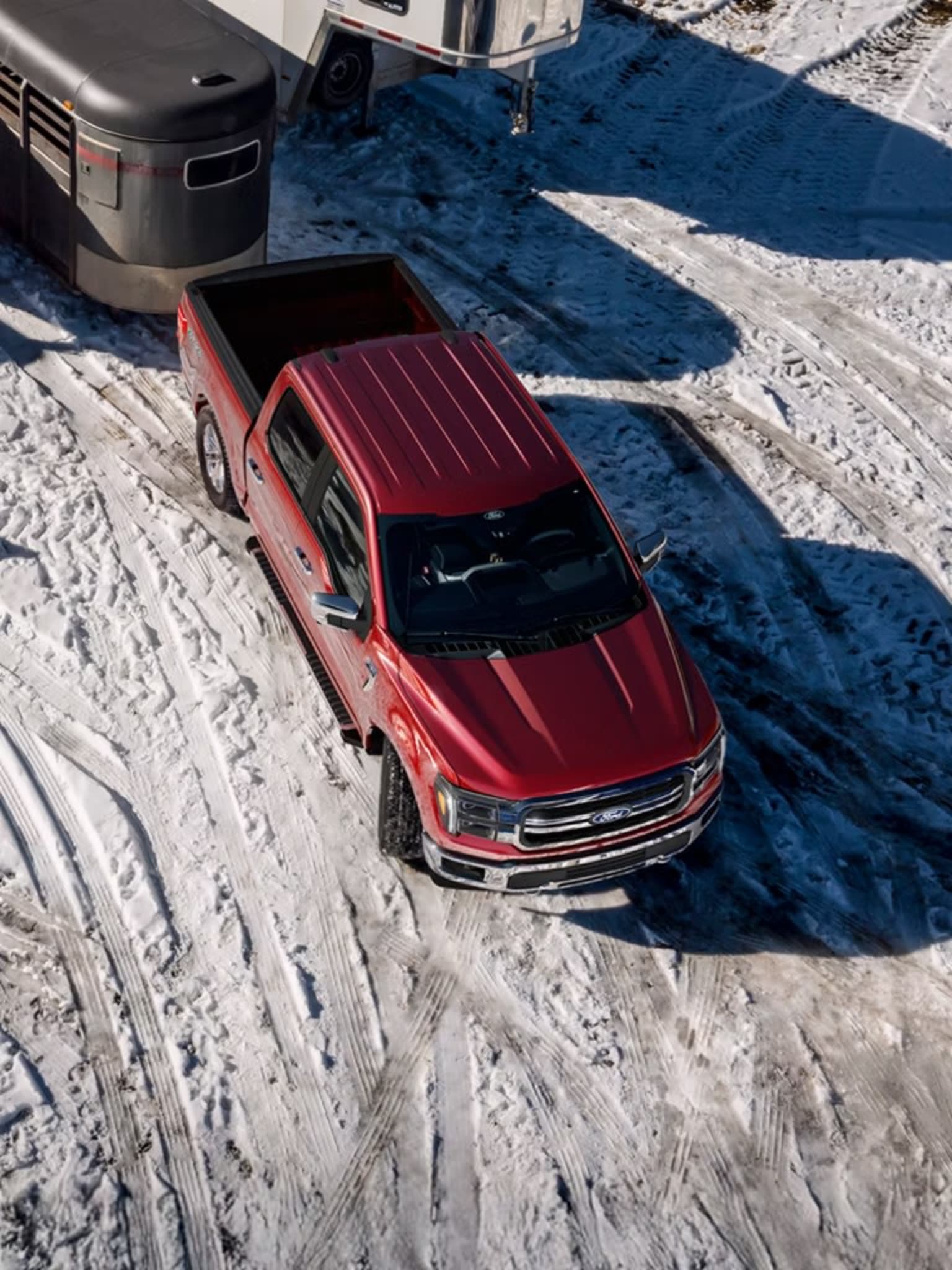
Beyond day-to-day acceleration, the difference between hybrid vs gas power shows up when the vehicle is under load or demand increases.
Hybrid systems can deliver instant electric torque, which helps with confident merging, passing, and initial pull (especially in heavier vehicles like trucks and SUVs)
Gas engines offer predictable, linear power that many drivers find reassuring when towing or driving at sustained highway speeds
Cost of Ownership: What Really Matters
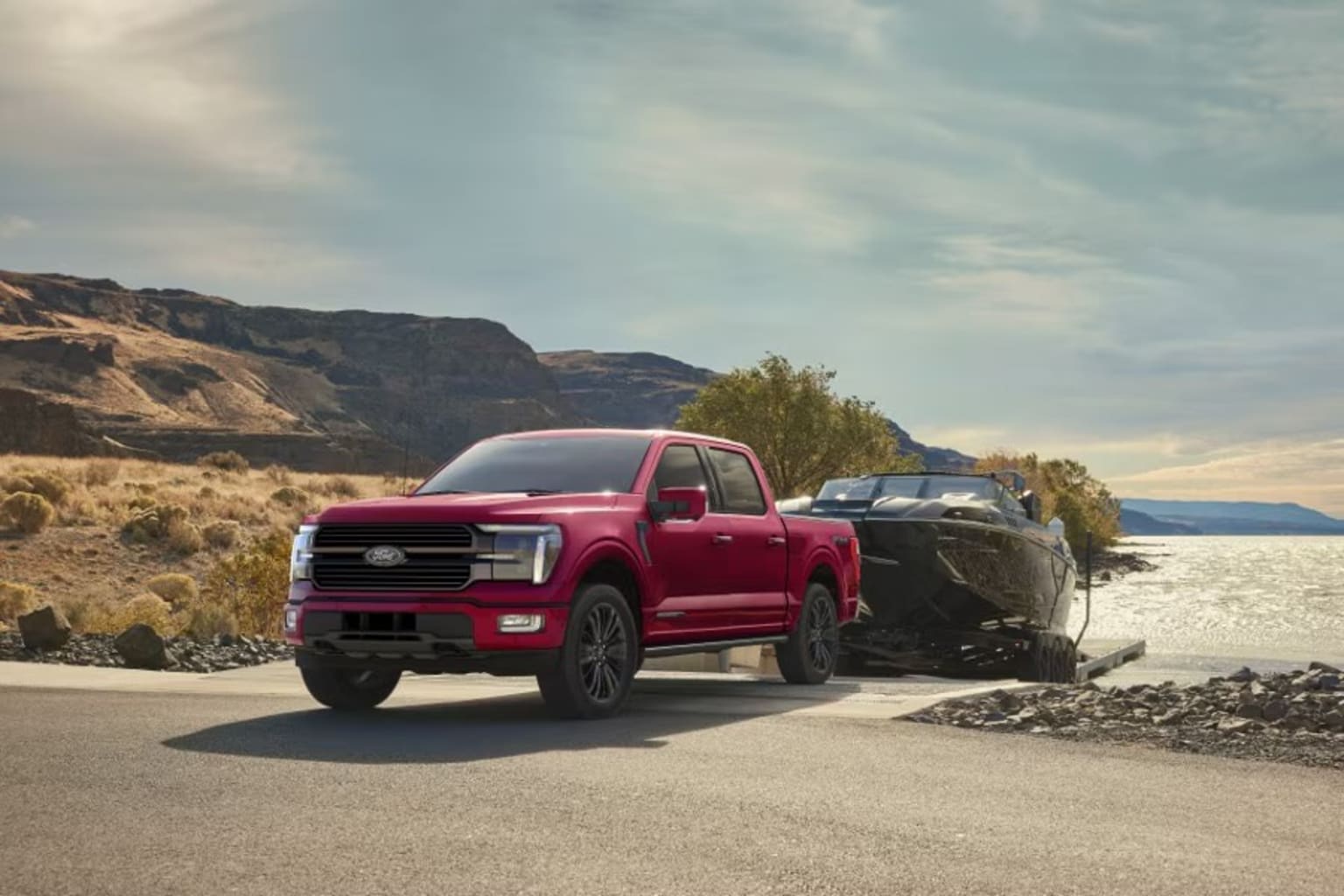
Upfront price is only part of the story in the hybrid vs gas discussion. The right choice between hybrid vs gas depends on how long you plan to keep your vehicle and how much you drive each year.
Hybrid Ownership
Higher initial cost in many cases
Lower fuel costs over time
Reduced brake wear due to regenerative braking
Long-term savings add up for high-mileage drivers
Gas Ownership
Lower starting price
Familiar maintenance routines
Widely available service options

Fuel Economy & Everyday Efficiency
Fuel savings are often the biggest reason drivers compare gas vs hybrid cars.
Why Hybrids Save More Fuel
Electric power handles low-speed driving
Regenerative braking recharges the battery
Less fuel wasted in stop-and-go traffic
For drivers with daily commutes, errands, or school runs, hybrids often deliver noticeable fuel savings over time.
When Gas Still Makes Sense
Frequent highway driving at steady speeds
Lower upfront purchase cost
Fewer long-term system components
If most of your miles are highway-based, the efficiency gap between hybrid vs gas can be smaller.
How Your Driving Habits Change the Equation
Fuel efficiency isn’t just about EPA numbers, it’s about how and where you drive.
Hybrids deliver their biggest efficiency gains in city traffic, short trips, and stop-and-go driving, where electric power and regenerative braking shine
Gas vehicles tend to be more consistent on long highway drives, where steady speeds reduce the hybrid advantage
Understanding your daily routine (commute length, traffic conditions, and driving style) helps determine which powertrain between gas vs hybrid cars will actually save you more over time.
Capability & Versatility (Yes, Hybrids Can Work Hard)
Modern Ford hybrids are built for more than commuting.
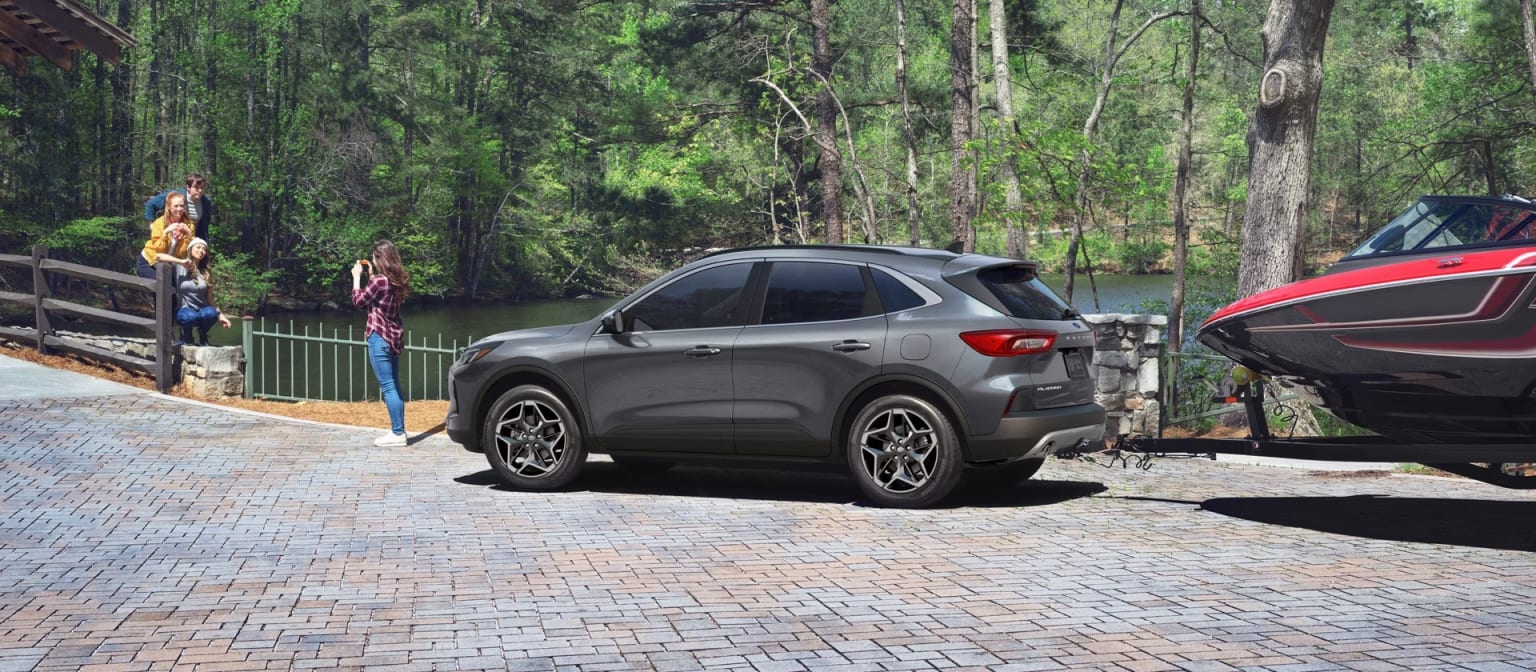
Hybrid SUVs handle family duty with ease
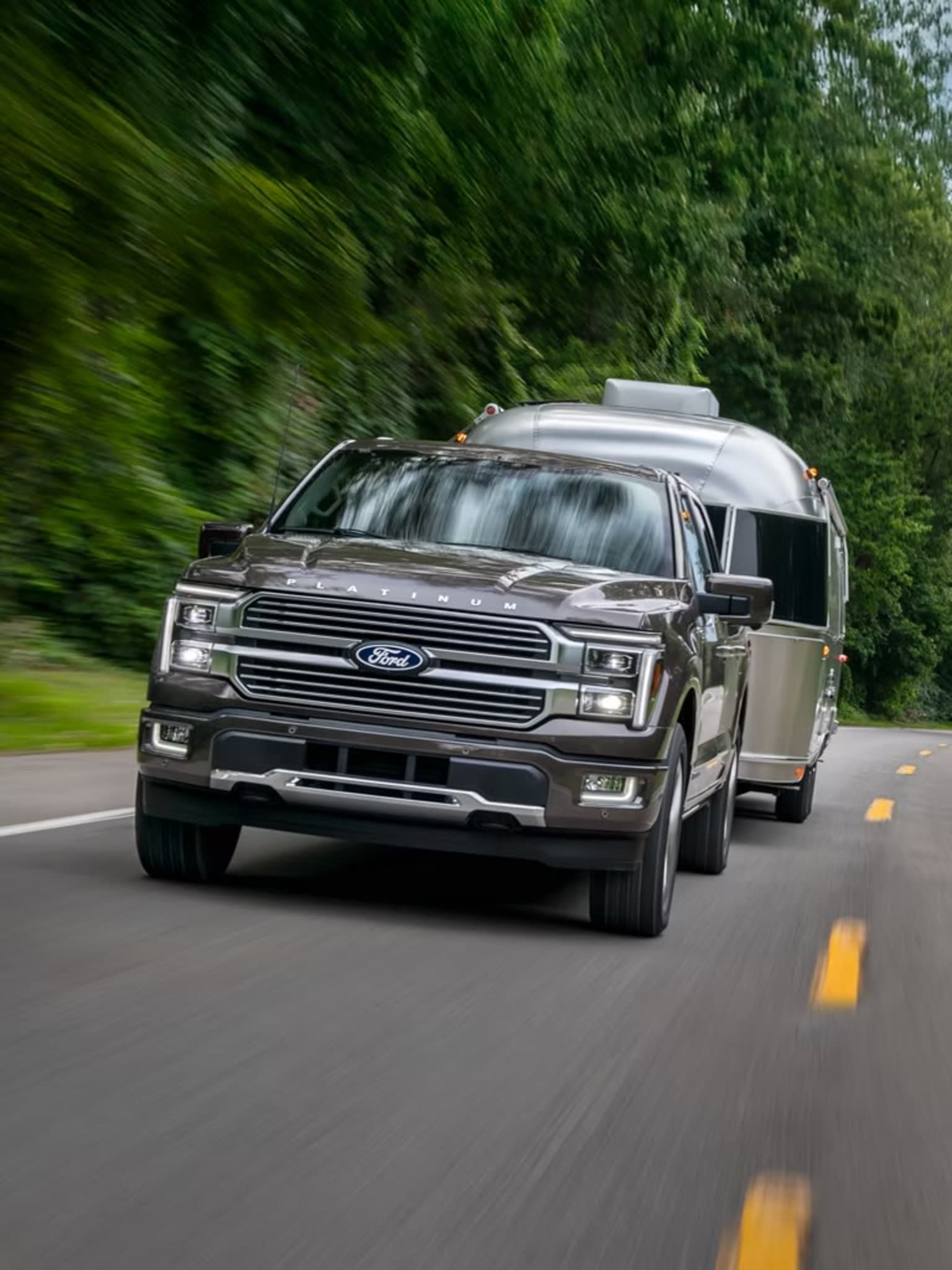
Hybrid trucks like the F-150 PowerBoost offer impressive towing and payload
Hybrid systems are designed to support (not replace)traditional capability
If you need power and efficiency, today’s hybrids are far more capable than many drivers expect.
Hybrids vs Gas: Which One Is Right for You?
Here’s a quick way to decide between hybrid vehicle vs gas:
Choose a hybrid if you:
Drive frequently in city or mixed conditions
Want better fuel efficiency without changing habits
Plan to keep your vehicle long term
Like quieter, smoother driving
Choose gas if you:
Drive mostly highway miles
Want the lowest upfront cost
Prefer traditional engine behavior
Keep vehicles for shorter ownership cycles
Power That Fits Your Life ⚡
When it comes to hybrid vs gas, the right choice isn’t about trends, it’s about how you drive. Hybrid Ford models shine for daily commuting, city driving, and long-term efficiency, while gas-powered options continue to deliver simplicity, familiarity, and strong performance for highway and mixed-use driving.
At J.C. Lewis Ford Statesboro, our team can help you compare hybrid and gas Ford models side by side and choose the powertrain that truly fits your routine, budget, and long-term plans. Let’s get you behind the wheel of your perfect Ford.
Hybrid vs Gas FAQs
Still deciding between hybrid vs gas power? These frequently asked questions cover resale value, maintenance, and how gas vs hybrid cars actually work in everyday driving, so you can choose with confidence.