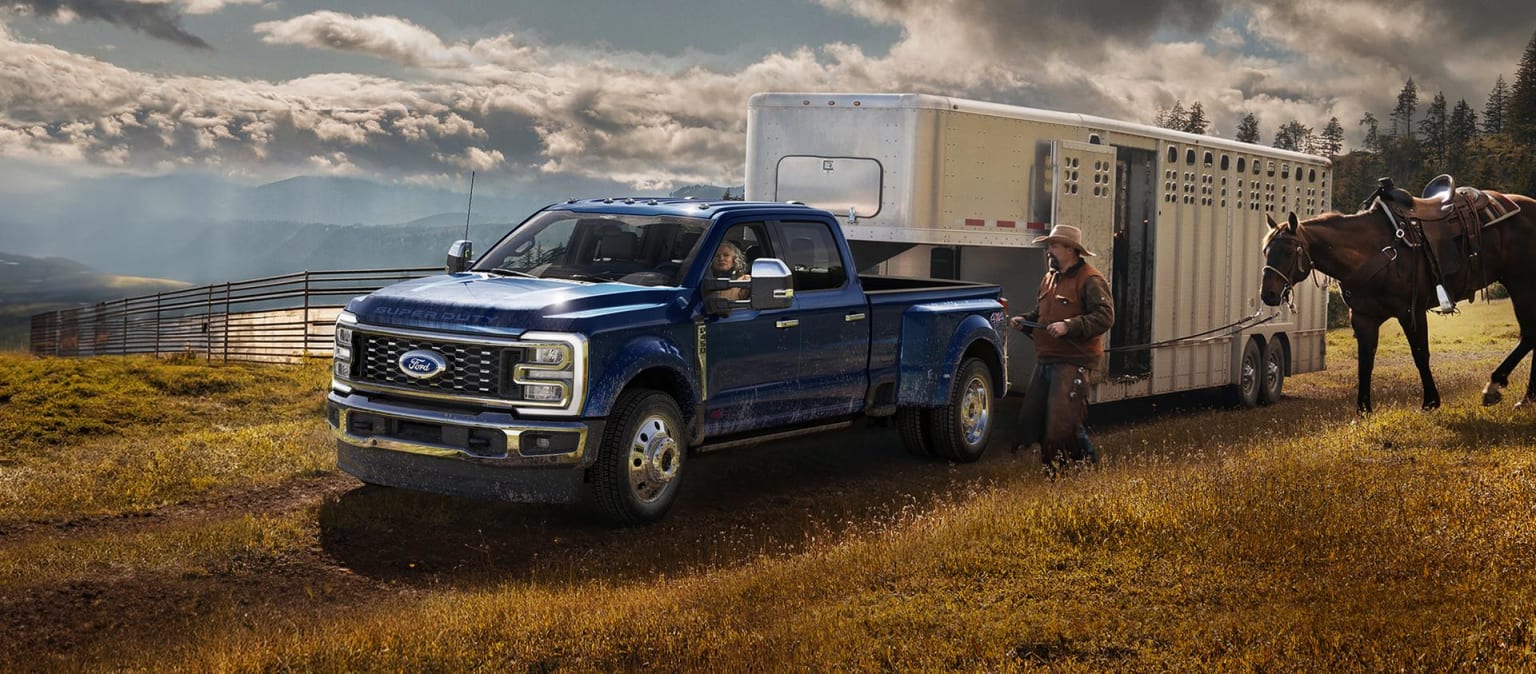
Ford Super Duty Cab Sizes Compared:
Crew Cab vs. Regular Cab vs. SuperCab
A Super Duty has to fit more than a trailer hitch. It has to fit the people, tools, gear, and routines that come with the job.
That’s where cab size matters. Regular Cab keeps things simple with one seating row. SuperCab adds a smaller second row for occasional passengers or extra interior storage. The Ford F-250 Super Duty Crew Cab gives rear passengers substantially more room and turns the truck into a much more flexible people-hauler.
For shoppers sorting through Crew Cab vs Regular Cab vs SuperCab, the right answer usually comes down to one question: where do you need the space most?
At J.C. Lewis Ford Statesboro, we help truck shoppers look at the whole setup, from cab and bed length to passenger needs, towing equipment, and everyday use.
Three Cabs, Three Ways to Use a Super Duty
The 2026 Ford Super Duty offers Regular Cab, SuperCab, and Crew Cab configurations. Front legroom is 43.9 inches across all three, but the difference becomes much more obvious behind the front seats. SuperCab provides 33.5 inches of rear legroom, while the Ford F-250 Super Duty Crew Cab increases that to 43.6 inches. Regular Cab skips the second row entirely.
That’s why Crew Cab vs Regular Cab vs SuperCab is less about finding one universally better cab and more about matching the truck to the job.
Cab Style | Seating | Rear Legroom | General Fit |
|---|---|---|---|
Regular Cab | Up to 3 | None | Work-focused use, fewer passengers |
SuperCab | Up to 6 | 33.5 in. | Occasional rear passengers or interior gear |
Crew Cab | Up to 6 | 43.6 in. | Frequent rear passengers and added flexibility |
Ford’s current Super Duty specifications also show different wheelbase and bed combinations across the three cab styles, so cab choice can affect the truck’s overall footprint as much as its passenger space.
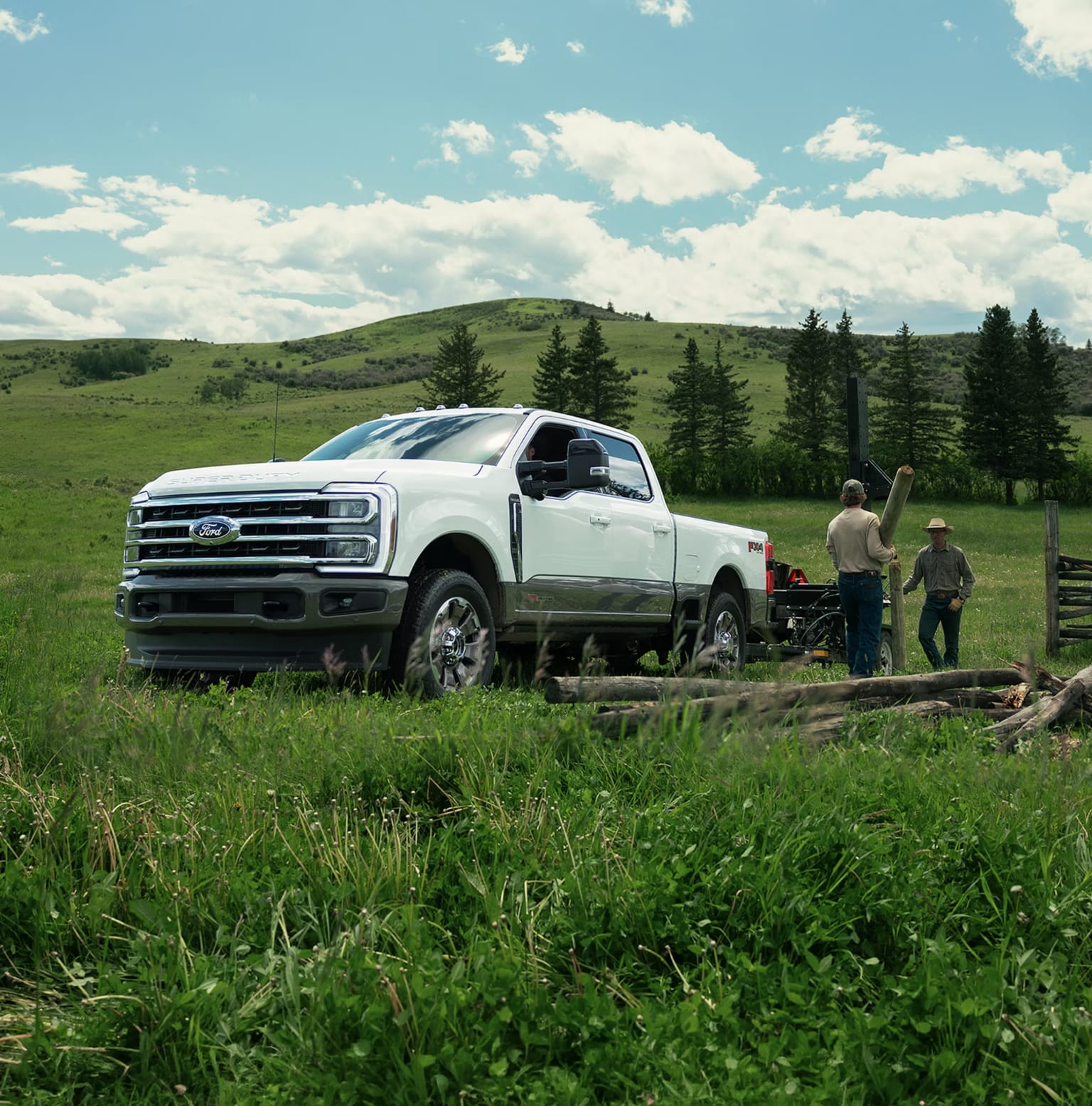
Regular Cab vs. SuperCab: How Much Cabin Do You Really Need?
The Ford F-250 Super Duty Regular Cab is the simplest of the three. One seating row keeps the cabin focused on the driver and front passengers, while the F-250 Regular Cab is paired with an 8-foot box in Ford’s 2026 configuration data.
That can make sense for fleet use, farms, contractors, service work, or anyone who rarely needs a back seat.
The F-250 SuperCab adds a second row without jumping all the way to Crew Cab proportions. Ford lists 33.5 inches of rear legroom, giving you usable space for occasional passengers, work bags, jackets, tools, or gear you’d rather keep inside the truck.
In the broader Crew Cab vs Regular Cab vs SuperCab decision, SuperCab fills an important middle position. It gives you more cabin flexibility than Regular Cab without dedicating as much overall space to the passenger compartment as Crew Cab.
Regular Cab is the more straightforward choice when nobody needs to sit behind you. SuperCab starts making more sense when that second row would actually get used, even if it isn’t an everyday passenger space.
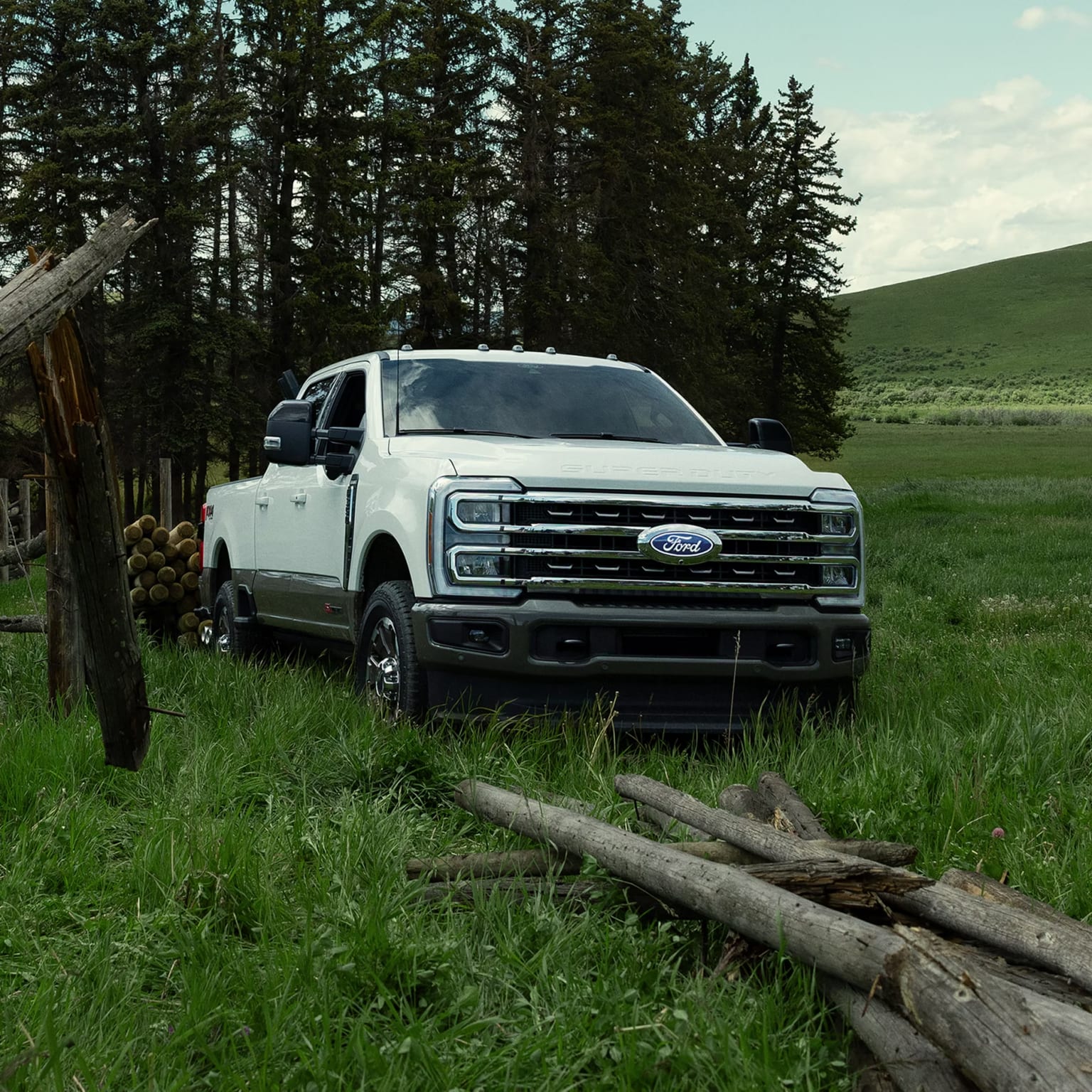
SuperCab vs. Crew Cab: Occasional Room or Everyday Room?
Both give you a second row. They just don’t give you the same second row.
The F-250 SuperCab provides 33.5 inches of rear legroom. Crew Cab stretches that measurement to 43.6 inches, giving rear passengers more than 10 additional inches to work with.
That difference can change how the truck feels in everyday use.
SuperCab works well when the back seat is used occasionally. Maybe a coworker rides along for a short trip. Maybe the space mostly holds backpacks, tools, paperwork, or gear that shouldn’t ride in the bed.
A Ford F-250 Super Duty Crew Cab is much better suited to regular passenger use. The larger rear seating area gives adults more room and makes the truck easier to use for a work crew, family, or a combination of both.
In the Crew Cab vs Regular Cab vs SuperCab lineup, SuperCab splits the difference. Crew Cab puts much more emphasis on rear-seat space.
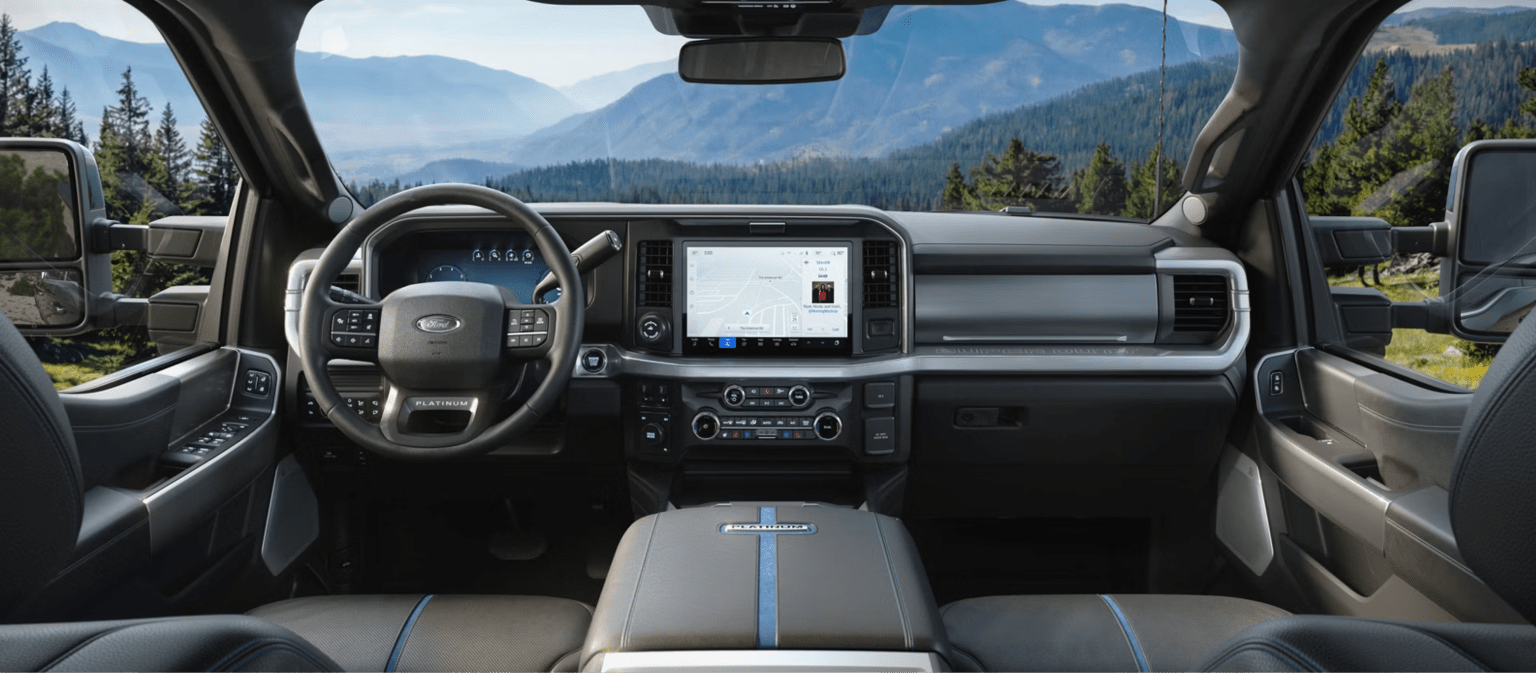
Crew Cab vs. Regular Cab: Two Opposite Priorities
If SuperCab is the middle ground, Crew Cab and Regular Cab sit at opposite ends of the cab-size spectrum.
The Ford F-250 Super Duty Regular Cab keeps things simple with one seating row and a work-focused layout. The Ford F-250 Super Duty Crew Cab adds a full second row with 43.6 inches of rear legroom and seating for up to six, depending on configuration.
That’s what makes Crew Cab vs Regular Cab such a clear choice in priorities. Regular Cab dedicates less space to passengers, while Crew Cab gives the rear seat a much bigger role.
If the truck mostly carries one or two people, tools, equipment, or trailers, Regular Cab may make more sense. If coworkers, family, or clients regularly ride along, Crew Cab gives you far more passenger flexibility.
Neither setup is universally better. They’re built for different kinds of work and everyday use.
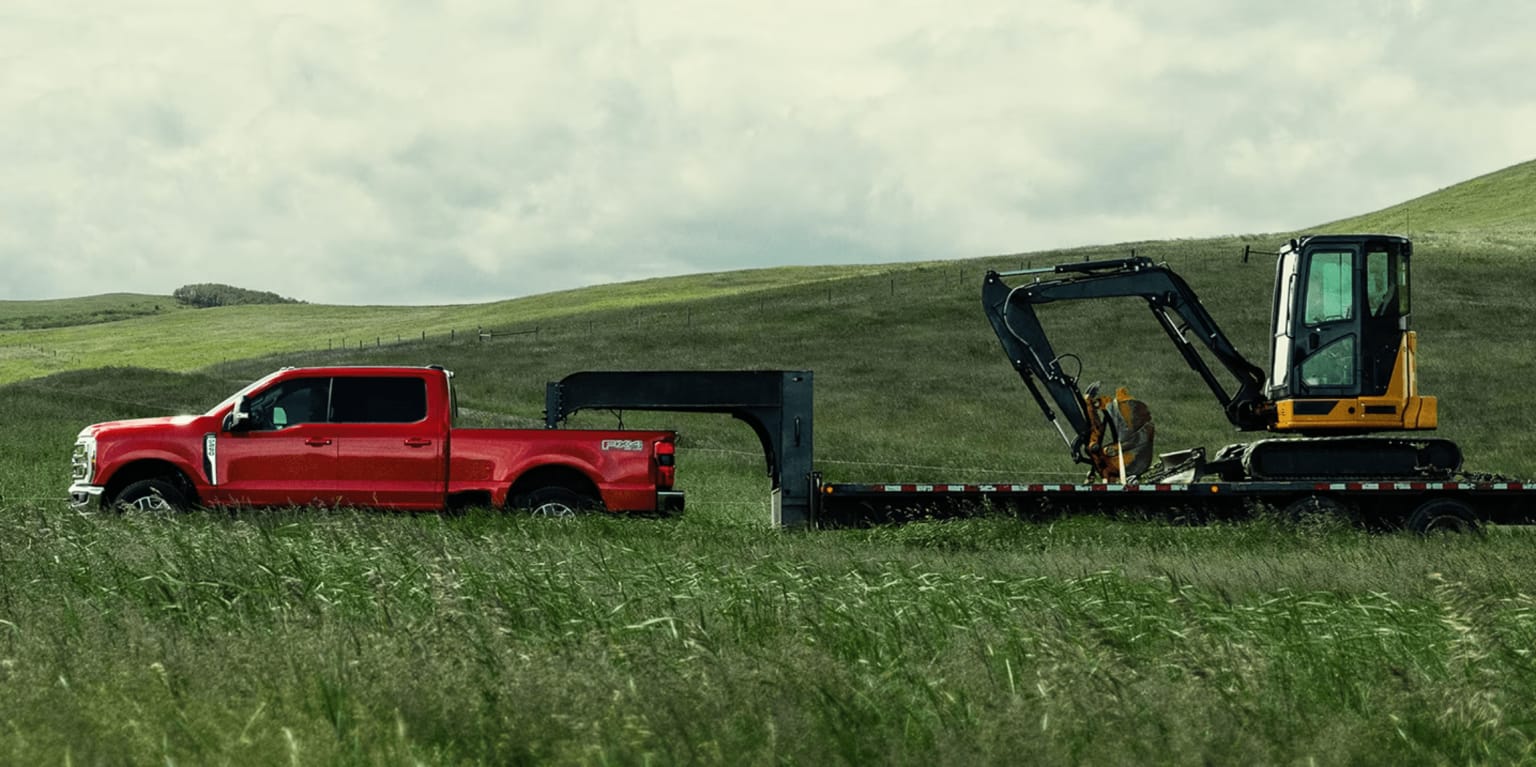
Bed Length Changes the Equation
Cab choice affects more than passenger space. It also changes your bed options.
Ford’s 2026 Super Duty lineup includes 6.75-foot and 8-foot boxes on applicable SuperCab and Crew Cab configurations, while Regular Cab uses the 8-foot box.
That makes Crew Cab vs Regular Cab vs SuperCab a whole-truck decision. Regular Cab keeps things work-focused, SuperCab adds flexibility, and a Ford F-250 Super Duty Crew Cab gives you more rear-seat room while still offering serious cargo capability.
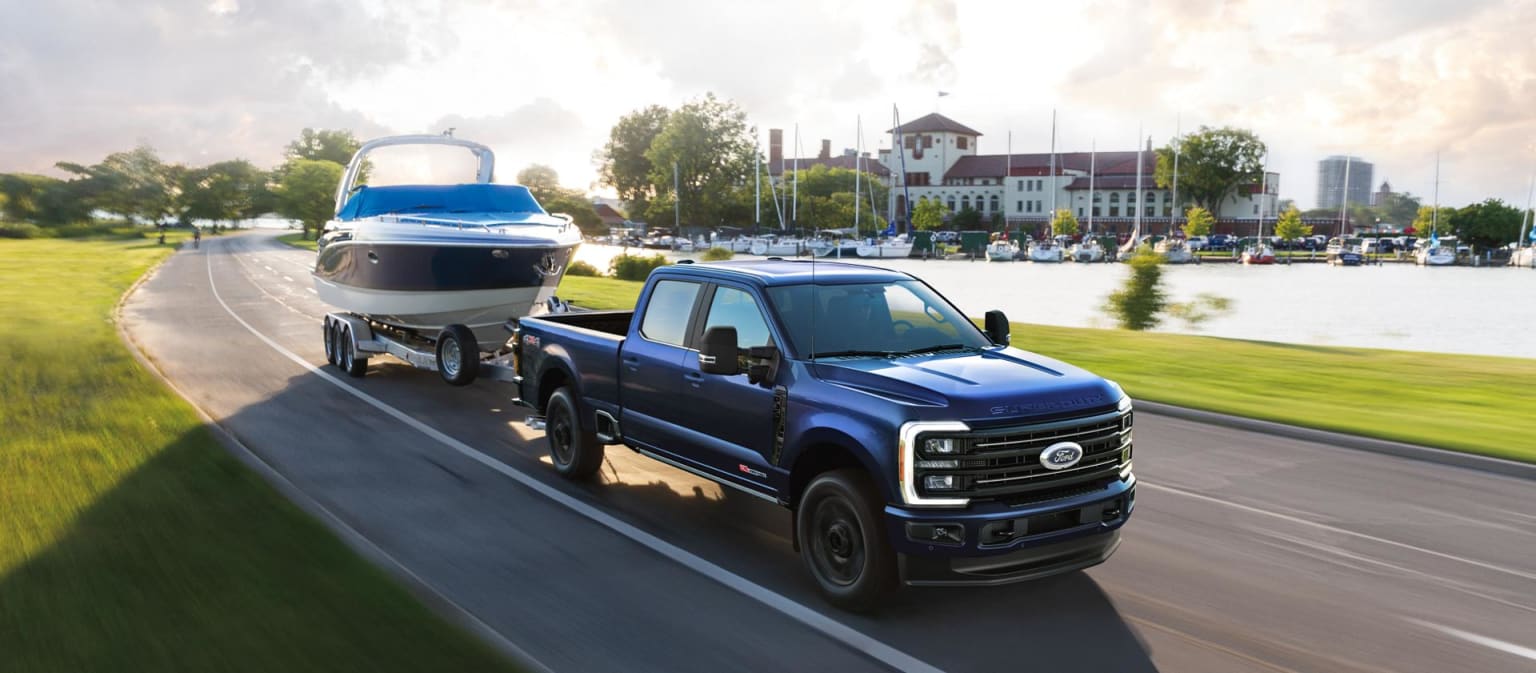
Overall Length Matters Too
A few extra feet matter when you’re backing into a jobsite, fitting into a garage, or navigating tight parking.
Regular Cab measures about 231.8 inches long. SuperCab ranges from about 238.2 to 254.4 inches, while Crew Cab stretches from roughly 250 to 266.2 inches depending on configuration.
That’s where Crew Cab vs Regular Cab becomes more than a seating decision. Crew Cab gives you more passenger room, while Regular Cab keeps the truck shorter and simpler to maneuver.
Which Cab Makes Sense for Your Workday?
This is where Crew Cab vs Regular Cab vs SuperCab becomes less about specifications and more about routine.
Choose Regular Cab when the truck is primarily a tool. If rear passengers are rare and an 8-foot bed matters, the Ford F-250 Super Duty Regular Cab keeps the formula straightforward.
Look at SuperCab when one row feels too limiting but a full Crew Cab feels unnecessary. An F-250 SuperCab gives you that useful second row without maximizing rear passenger space.
Crew Cab makes the most sense when that rear seat will see regular use. A Ford F-250 Super Duty Crew Cab can haul a work crew during business hours, then handle family duty after the tools come out.
The trick is to shop for the day you have most often, not the one unusual trip you might take twice a year.
People Up Front, Gear Out Back, or a Little of Both?
One of the easiest ways to settle Crew Cab vs Regular Cab vs SuperCab is to make a quick list before you shop.
How many people normally ride in the truck? Does expensive equipment need to stay locked inside the cab? Do adults sit in back regularly? Is an 8-foot bed important? Will the truck spend much of its time maneuvering around tight jobsites?
Those answers can point you toward a cab surprisingly quickly.
Regular Cab favors simplicity. SuperCab adds flexibility. Crew Cab prioritizes rear-seat usability.
That’s the real difference between the three.
Financing Your Super Duty 💸
Once you’ve narrowed down Crew Cab vs Regular Cab vs SuperCab, our J.C. Lewis Ford Statesboro finance team can help you explore payment options that fit.
Compare All Three Cab Sizes in Statesboro
Numbers are useful. Opening all three doors is better.
At J.C. Lewis Ford Statesboro, we can help you work through Crew Cab vs Regular Cab vs SuperCab based on passenger space, bed length, overall size, jobsite needs, towing setup, and available inventory.
Maybe that means a Ford F-250 Super Duty Regular Cab built around the workday. Maybe an F-250 SuperCab gives you exactly enough extra room. Or maybe a Ford F-250 Super Duty Crew Cab makes sense because people ride with you just as often as equipment does.
Tell us what needs to fit. We’ll help you find the Super Duty cab that gives it a place.
Ford Super Duty Cab Size FAQs
Still sorting through Crew Cab vs Regular Cab vs SuperCab? These answers cover some of the biggest differences between Ford Super Duty cab configurations.