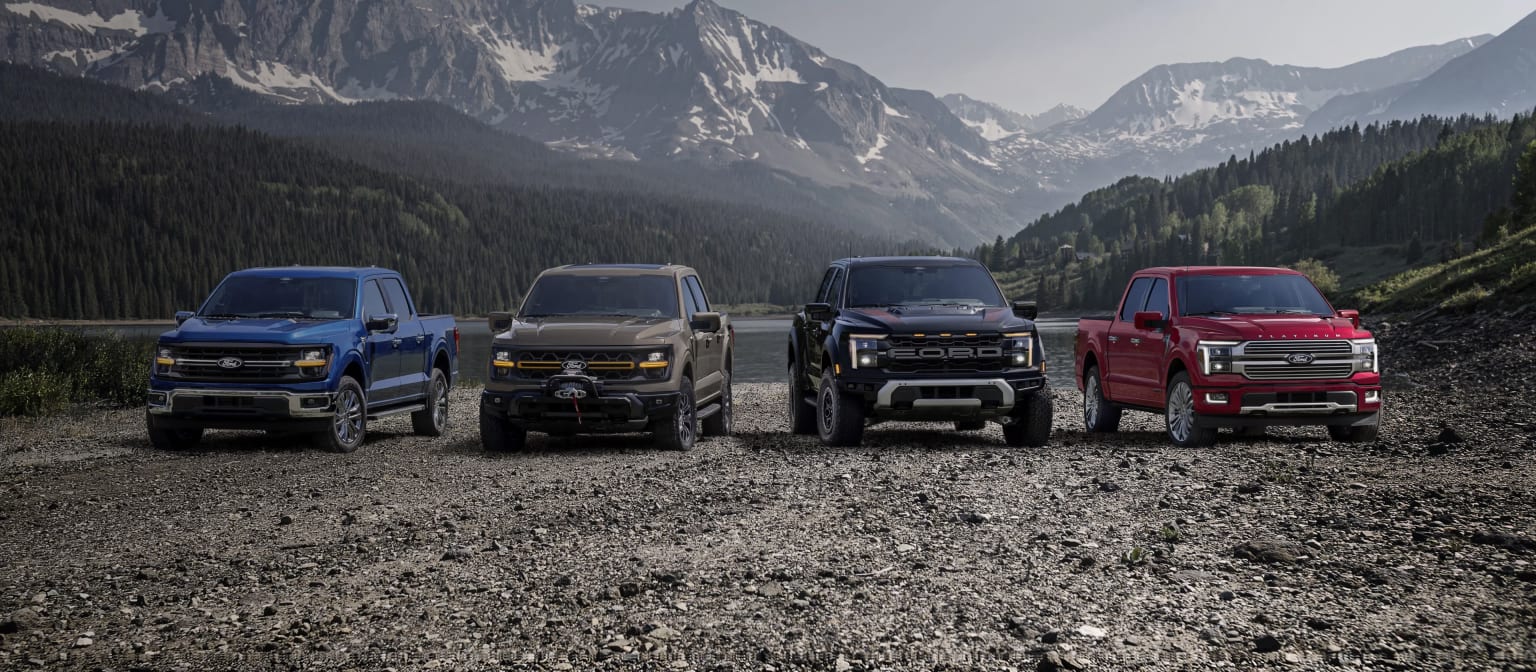
Ford F-150 Weight Explained: Curb Weight vs GVWR (Plus Weight by Cab/Bed/Engine)
The Numbers Behind the Truck
The Ford F-150 is famous for what it can tow, haul, and handle. But before you hook up a trailer or load the bed, there is one number many truck shoppers overlook: weight.
Understanding Ford F-150 weight helps you choose the right truck for work, towing, family use, and everyday driving. It also helps you understand the difference between what the truck weighs empty, how much it can legally weigh when loaded, and how much payload you can actually carry.
That’s where terms like F-150 curb weight, GVWR, payload, and GCWR come in. At J.C. Lewis Ford Statesboro, we’re here to help you compare Ford F-150 weights and configurations and understand the numbers that matter before you buy.
Quick Answer: How Much Does a Ford F-150 Weigh? 💡
The weight of a Ford F-150 depends on the exact configuration. Cab style, bed length, drivetrain, engine, trim, packages, and options all change the final number.
As a general reference, a 2026 Ford F-150 curb weight can be in the mid-4,000-pound range on lighter configurations and can move higher on larger, 4x4, hybrid, luxury, or off-road models. For example, Edmunds lists a 2026 F-150 configuration with a curb weight of 4,941 pounds, while other third-party configuration data lists examples around 4,396 pounds depending on setup. Exact ratings should always be confirmed on the specific truck’s door-jamb label or official specifications.
The short version: there is no single Ford F-150 weight. There is the weight of your specific F-150.
F-150 Curb Weight vs. GVWR: What Is the Difference?
F-150 Curb Weight
Curb weight is how much the truck weighs before you load it with passengers, cargo, tools, accessories, or trailer tongue weight. It usually includes standard equipment and necessary operating fluids, but it does not include the people and gear you add.
Think of curb weight as the truck’s starting point. A lighter F-150 may be easier to maneuver and may leave more room for payload. A heavier Ford F-150 weight may have more equipment, a larger cab, 4x4 hardware, a hybrid system, luxury features, or off-road upgrades.
GVWR
GVWR stands for Gross Vehicle Weight Rating. This is the maximum allowed weight of the truck when loaded. It includes the truck itself, passengers, cargo, accessories, and trailer tongue weight.
Think of GVWR as the truck’s safe loaded limit. If your F-150 has a GVWR of 7,000 pounds, that does not mean the truck weighs 7,000 pounds empty. It means the truck, plus everything in and on it, should not exceed 7,000 pounds.
Payload
Payload is the difference between GVWR and curb weight. In simple terms:
Payload = GVWR - F-150 curb weight
That payload number covers people, cargo, tools, bed weight, accessories, and trailer tongue weight. This is why Ford F-150 weight matters so much. Two F-150 trucks may have similar towing numbers, but the heavier truck may have less available payload once passengers and cargo are added.

Why Curb Weight Matters for Towing 💡
A lot of shoppers focus only on towing capacity, but F-150 curb weight plays a major role in how the truck performs when loaded.
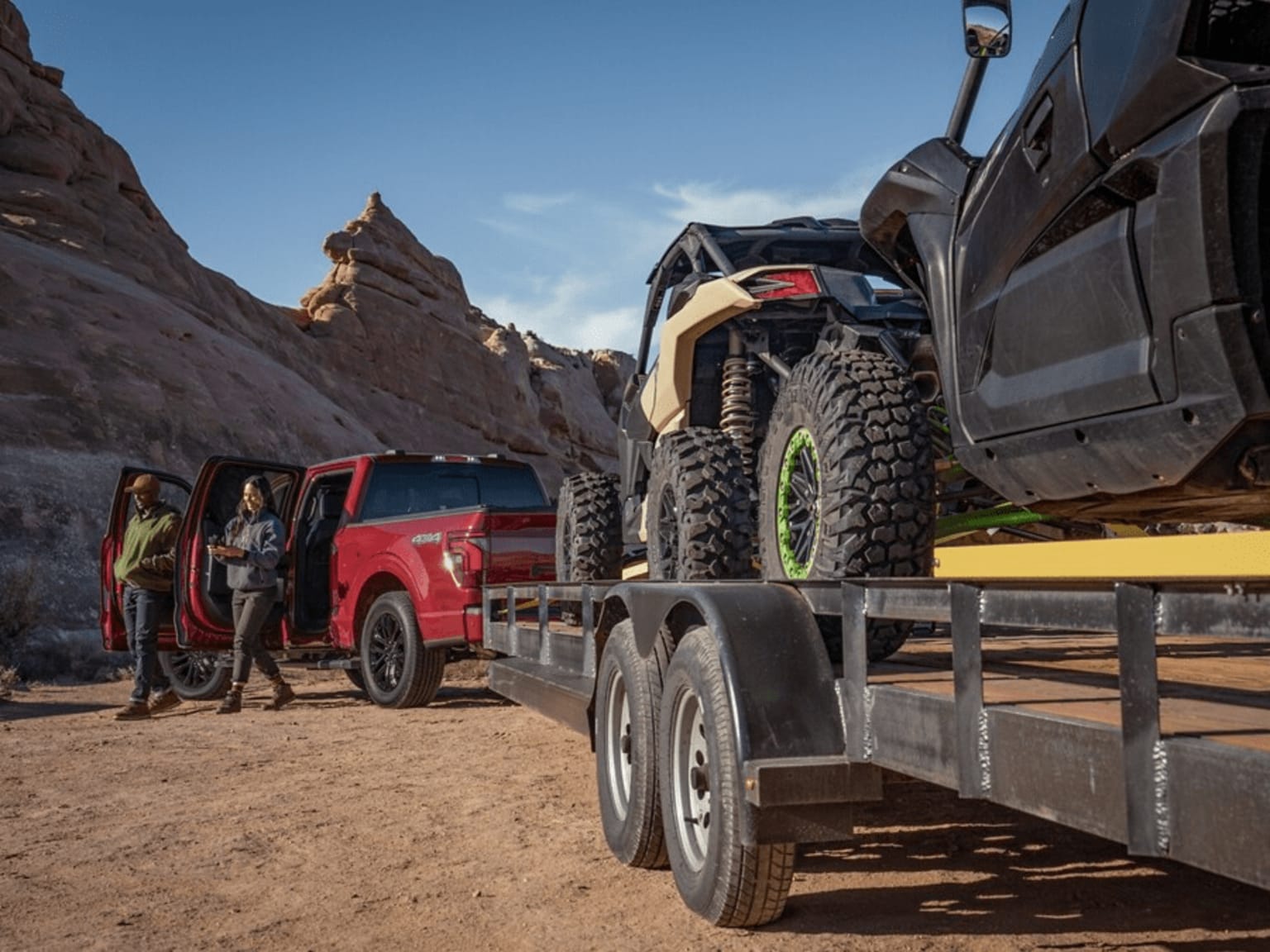
When you tow, the trailer adds to your Ford F-150 weight in more than one way. You need to consider:
Trailer weight
Trailer tongue weight
Passengers
Cargo in the cab
Gear in the bed
Accessories added to the truck
Fuel, tools, coolers, and equipment
Trailer tongue weight counts against payload. That means a truck with less available payload may hit its limit before it reaches its advertised maximum tow rating.
For example, a loaded trailer may place several hundred pounds, or more, on the hitch. Add passengers and cargo, and the truck’s payload capacity can disappear faster than expected.
GVWR vs. GCWR: Another Number to Know
GVWR is the max loaded weight of the truck itself.
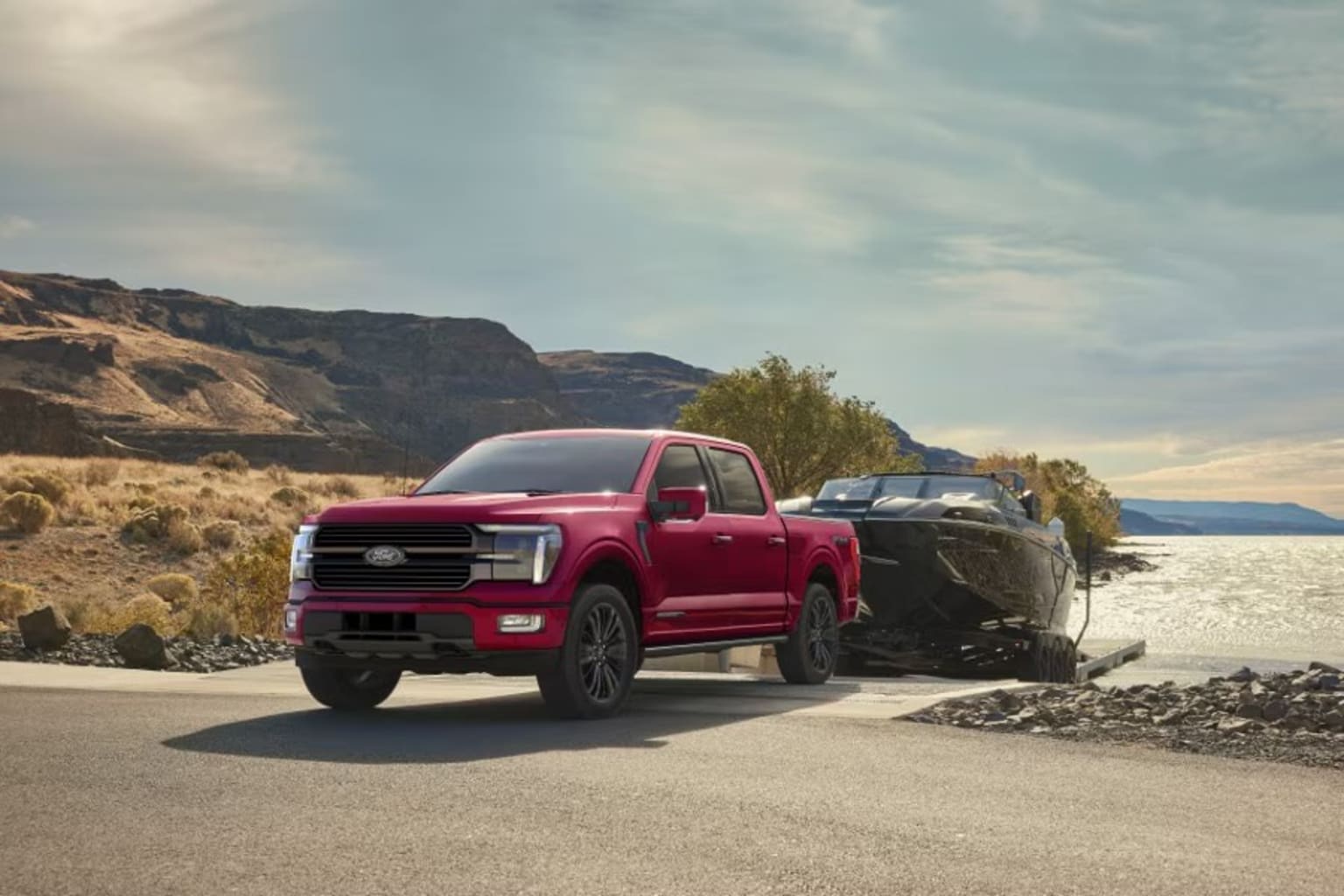
GCWR, or Gross Combined Weight Rating, is the max combined weight of the truck and trailer together.
If you tow often, you need to pay attention to both numbers. Your truck may be under its GVWR, but the combined truck-and-trailer setup still needs to stay within GCWR.
This is why Ford uses the phrase “when properly equipped” when talking about towing and payload. Proper equipment, configuration, and loading all matter.
2026 Ford F-150 Curb Weight by Cab, Bed, and Engine
These are estimated curb weight ranges for general shopping reference. Exact Ford F-150 weight can vary by trim, drivetrain, options, packages, and equipment. Exact weight should always be confirmed using the specific truck’s window sticker, door-jamb label, or official Ford specifications.
Configuration | Approx. Curb Weight |
|---|---|
Regular Cab, 6.5-ft bed | 4,300–4,700 lbs |
Regular Cab, 8-ft bed | 4,400–4,800 lbs |
SuperCab, 6.5-ft bed | 4,700–5,100 lbs |
SuperCab, 8-ft bed | 4,800–5,200 lbs |
SuperCrew, 5.5-ft bed | 4,800–5,600 lbs |
SuperCrew, 6.5-ft bed | 4,900–5,700 lbs |
Raptor SuperCrew, 5.5-ft bed | 5,700–6,100 lbs |
How to Find the Exact Weight of Your Ford F-150 🔎
How much does your Ford F-150 weigh? The easiest way to find the exact Ford F-150 weight information for a specific F-150 is to check the labels and documents tied to that truck. Look for:
Door-Jamb Label
The driver-side door-jamb label usually includes key weight ratings, including GVWR and axle ratings. You won’t find F-150 curb weight here.
Tire and Loading Information Label
This label shows how much combined weight of occupants and cargo the vehicle can carry.
Window Sticker
The window sticker shows trim, engine, drivetrain, packages, and equipment that can affect weight.
Ford Towing Guide
Ford’s towing information can help explain how different configurations affect towing, payload, and weight ratings.
Dealer Support
We can help! Our team can help you compare F-150 models and understand the specific Ford F-150 weight rating for the truck you are considering.

Which F-150 Configuration Is Right for You? 🧠
If you want a practical daily truck, a lighter Ford F-150 weight configuration may give you the balance you need. If you need family space, a SuperCrew may be worth the added weight. If you tow, haul, or work from your truck often, F-150 curb weight, payload, and GVWR should be part of your shopping process from the start.
For many Statesboro drivers, the right F-150 is the one that balances seating needs, bed space, engine preference, towing goals, payload needs, and budget.
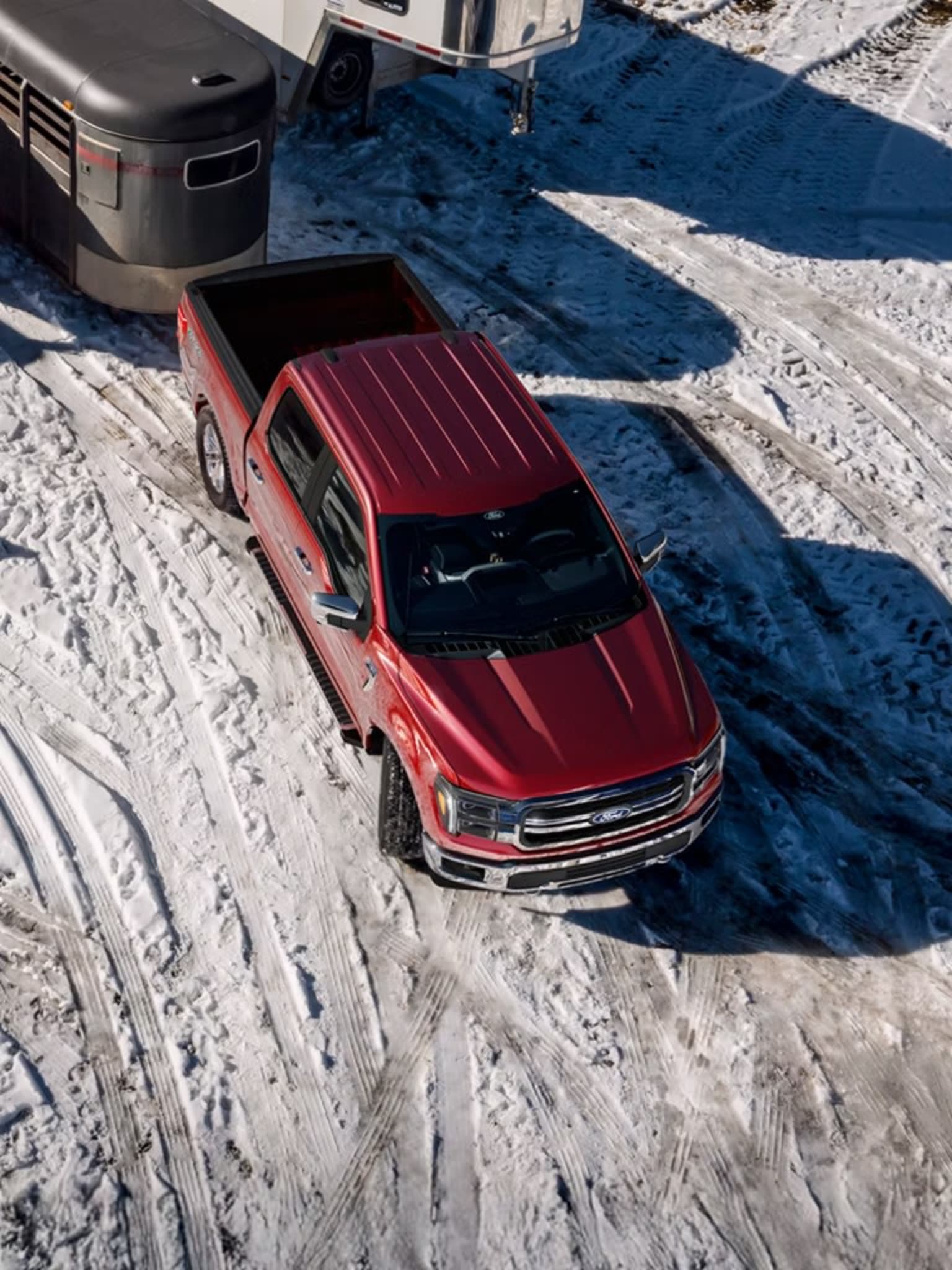
How Ford F-150 Weight Affects Everyday Driving
Weight does not only matter for towing. It also affects how a truck feels every day.
A lighter Ford F-150 weight configuration may feel more agile around town, easier to park, and better suited for simple daily driving. A heavier configuration may feel more planted and may include more luxury, off-road, towing, or hybrid equipment.
Neither is automatically better. The right choice depends on how you plan to use your truck.
Choose a lighter setup if you want:
A simpler work truck
More payload flexibility
Easier daily maneuverability
A lower starting point for added cargo
Choose a heavier setup if you want:
More cabin space & premium features
4x4 capability
Hybrid power
Off-road equipment
Towing-focused tech
Know the Weight. Find the Fit.
The Ford F-150 gives you more ways to build the truck around your life. From cab size and bed length to engine choice and towing equipment, every configuration has its own personality and purpose.
At J.C. Lewis Ford Statesboro, our team can help you compare Ford F-150 weight, F-150 curb weight, payload, towing ratings, engines, trims, and packages so you can choose a truck that fits your work, family, and weekend plans.
Explore available Ford F-150 inventory online or visit J.C. Lewis Ford Statesboro to find the truck that feels right from the driver’s seat.
Ford F-150 Weight FAQs
Have questions about Ford F-150 weight, towing, and payload? Here are quick answers to help you understand the numbers before you choose your truck.